
To celebrate Juneteenth read All Different Now : Juneteenth, the First Day of Freedom by Angela Johnson.This picture book explores the first day of Freedom. Our reader did a moving reading of this book in front of our church congregation.
To understand and lessen the fear of the other.
To celebrate Juneteenth read All Different Now : Juneteenth, the First Day of Freedom by Angela Johnson.This picture book explores the first day of Freedom. Our reader did a moving reading of this book in front of our church congregation.
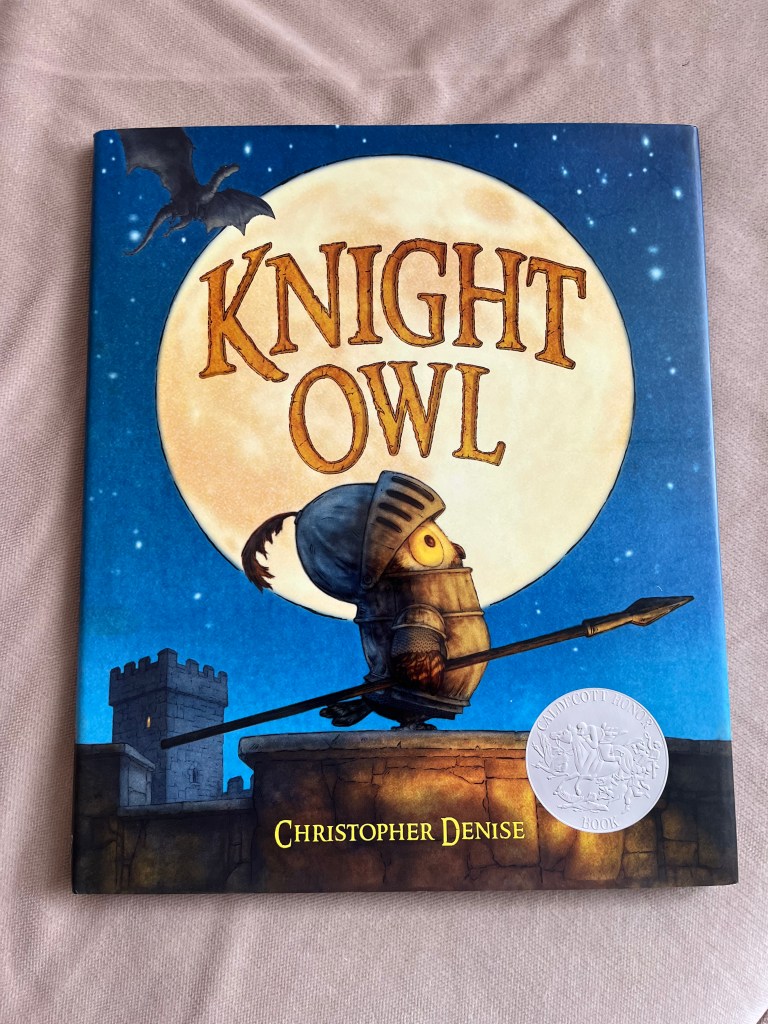
What keeps your kid awake at night? It’s time to shine a light on mental health for children. The Knight Owl is smart, funny, and healthy.

My Two Border Towns simultaneously reveals a vibrant world and a stark reality. It follows a Latinx son and his father. This duo shows us thriving, bright communities and dispels myths about people living on the border. Each page is colorful, and realistic imagery abounds. This makes readers think about which border the author is referring to; the Texan, Mexican, or refugee border? If you are looking for a book that encompasses justice, community, and compassion, look no further than My Two Border Towns.
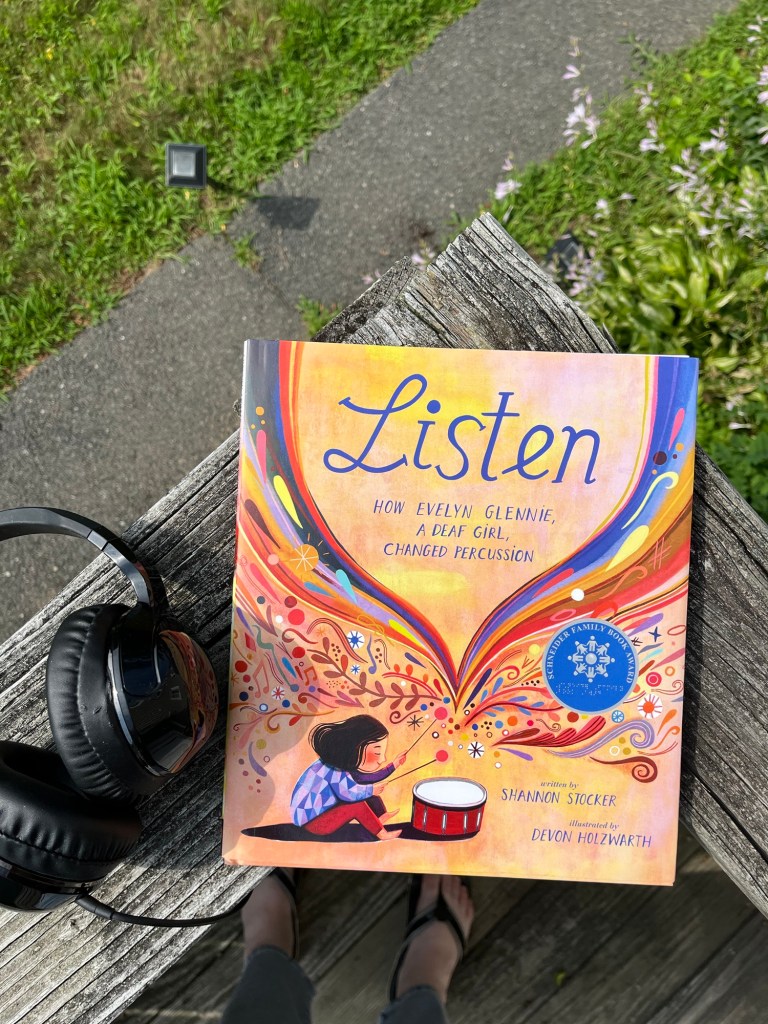
Welcome to the energetic world of Evelyn Glennie, a deaf percussionist in Listen: How Evelyn Glennie, A Deaf Girl Changed Percussion, by Shannon Stocker. This story heralds persistence, creativity, and the power of listening to your heart. Shannon Stocker, the author adds the lyrics to Evelyn Glennie’s not-so-silent tale—a book for people who feel unheard in their quiet universe.
In Kim Hyoeon’s Korean picture book, I Am the Subway, the narrator, the subway system, shares passengers’ worries and hopes as they embark on Seoul’s Circle Line. These stories help us empathize with diverse people throughout the community.
When I decided to return home, I packed up my life in L.A. and boarded the Southwest Chief to Boston. Traveling across the United States by train allowed me to disconnect from my life in Los Angeles and experience a fresh perspective that God offered me. Heading to the observation car for my morning coffee, I wasn’t alone. A Mennonite man stared out at the sandy desert, and the nuns were having their morning prayer. Everyone seemed to be in their world but still riding together.
In I Am the Subway, the narrator gives us glimpses into the lives of people we don’t know or understand. As each story unfolds, the door opens for empathy to board, allowing connection to form. While sitting in the Southwest Chief’s Café car, a young man told me when you travel on a train, you can see the sun setting over the red rocks of Arizona, experience the steep, winding incline of the Raton Passage, and engage in conversations about time and environmental sustainability. His choice to ride a train over a plane speaks to his commitment to environment sustainability and community connection. I share his connection to being a good steward to the earth and its inhabitants.

Trains offer spaces for people to belong. When traveling, you might encounter another person face to face, and you have to give way so the other can continue their journey. In I Am the Subway, the stories of everyday people help us realize we are global citizens, which requires a level of accountability to all humankind. Our destinations may differ, and so may our stories, but empathy for others is critical to caring for our diverse world.
Laura is the founder of the blog Wereadworld.com. She aims to help lessen the fear of “the other” by sharing stories from voices who live in the margins for children and adults.

On the surface, The Proudest Blue by Olympic Medalist Ibtihaj Muhammad appears to be a story of beauty and choice. It’s Asiya’s first day wearing her “brightest blue” hijab at school. The hijab enchants her younger sister, Faizah; in her eyes, she and her sister are royalty. The story explores bullying, curiosity, and acceptance by showing one’s faith in school.
During my second year of high school, my classmate Hend stood in front of the class to share her decision to wear a hijab. She explained that this would be her new way of dressing and encouraged us to ask her any questions we might have. I wasn’t sure if I asked her, but I remember thinking, “Will you still be the same Hend?” It felt like wearing the hijab might change the clever and witty teenager that everyone in our class loved. I think it may have made her remarkable characteristics stand out even more.
Her courage introduced me to a new reality, though I didn’t realize it then. Years later, I had the opportunity to bring confirmation teens to a mosque to learn about the Islamic faith. Even though our beliefs differed, we found common ground in our religious roots. Shortly after, I sat in solidarity with our brothers and sisters and prayed for religious freedom after the tragedy at a New Zealand mosque.
This children’s story is an excellent introduction to a faith practice that may be unknown and scary to many readers. The name Asiya means “healer,” while Faizah translates to “victory.” Another interpretation of Ibtihaj Muhammad’s narrative could be the story of a healer who takes steps to mend wounds, empowering girls and women who wear the hijab to embrace their faith as champions.
 We Read